| |
| Geography
|
|
| Government
|
|
| Economics |
|
| Contributions
|
|
Showing posts with label Class Assignments. Show all posts
Showing posts with label Class Assignments. Show all posts
Friday, October 30, 2009
Ancient Egypt - Map and Facts


Ancient China - Map and Facts
| |
| Geography
|
|
| Government
|
|
| Economics |
|
| Contributions
|
|

Thursday, October 29, 2009
The Tower of Babel
Genesis 11:1-9
The descendants of Noah all spoke a single language. As they increased in number and began to spread eastward, they found a fertile area called Shinar and settled there. They decided to build a city with a tower that "reached to the heavens." They wanted the tower to be a proud monument to themselves and a symbol that would keep them united as a powerful people.
"So that we can make a "Shem" for ourselves."
However, God was not so pleased. He came down and looked at the city and tower and said,
What does Babel mean? Babel was the Hebrew name for Babylon which means "gate of god." But It was similar to the Hebrew word balal which meant to confound or confuse. The Hebrews despised the Babylonians, and there may well be a humorous play on words here: Far from being the "gate of god," Babylon was actually the site of much confusion!
In ancient times, people thought the heavens were not far above the earth. If only they could build a tower to the sky, they could climb up and be like gods themselves. Mankind had once again lost sight of God and become arrogant and self-sufficient.
God, of course, saw this a pure arrogance. He put an end to the people's delusions of being powerful and important like gods.
We may be tempted to think we no longer need to trust and obey God. We may believe our learning, sophistication and technology are all we need to be self-sufficient and guarantee our security. The lesson of the Tower of Babel is that such self-sufficiency is a delusion. History has shown that many nations and their leaders have fallen into the trap of arrogance and self sufficiency. Like Babel, those nations have eventually ended up in ruins.
source: http://www.twopaths.com/story_TowerOfBabel.htm
http://www.twopaths.com/index.htm (not Catholic but somewhat accepting of Catholic doctrine)
 |
"So that we can make a "Shem" for ourselves."
However, God was not so pleased. He came down and looked at the city and tower and said,
If as one people speaking the same language they have begun to do this, then nothing they plan to do will be impossible for them. Come, let us go down and confuse their language so they will not understand each other. (NIV, Genesis 11:6-7)So God made the people speak many different languages so they could not work together on building the city and tower. The He scattered the people around the world and the city was abandoned. The city was called "Babel" because God confused their languages.
Questions
Where was the Tower of Babel? Bible scholars think the Tower of Babel refers to a ziggurat, the ancient pagan temple tower of the Babylonians. Babylon was located on the Euphrates River about 30 miles (49 km) from the modern city of Baghdad in Iraq. The Babylonians bragged that their tower reached up to the heavens.What does Babel mean? Babel was the Hebrew name for Babylon which means "gate of god." But It was similar to the Hebrew word balal which meant to confound or confuse. The Hebrews despised the Babylonians, and there may well be a humorous play on words here: Far from being the "gate of god," Babylon was actually the site of much confusion!
Lessons
On the surface, the story of the Tower of Babel offers an explanation for the many different languages spoken on earth. But there is much more to the story.In ancient times, people thought the heavens were not far above the earth. If only they could build a tower to the sky, they could climb up and be like gods themselves. Mankind had once again lost sight of God and become arrogant and self-sufficient.
God, of course, saw this a pure arrogance. He put an end to the people's delusions of being powerful and important like gods.
We may be tempted to think we no longer need to trust and obey God. We may believe our learning, sophistication and technology are all we need to be self-sufficient and guarantee our security. The lesson of the Tower of Babel is that such self-sufficiency is a delusion. History has shown that many nations and their leaders have fallen into the trap of arrogance and self sufficiency. Like Babel, those nations have eventually ended up in ruins.
source: http://www.twopaths.com/story_TowerOfBabel.htm
http://www.twopaths.com/index.htm (not Catholic but somewhat accepting of Catholic doctrine)
Tuesday, October 20, 2009
Whales
In Herman Melville's classic novel, a Sperm whale called Moby Dick is portrayed as an evil monster which sinks ships and kills sailors. This is the reputation these whales have gotten throughout the years, perhaps because of their large size and huge teeth.
We now know that Sperm whales are not dangerous to people. They do not break ships apart and swallow sailors whole. In fact, we know a lot about what Sperm whales don't do--but not very much else.
Sperm whales are the largest toothed whales on the planet, and perhaps the most abundant of the great whales, but we rarely get to study them because they spend so much time underwater. Sperm whales are deep divers, holding their breath and diving thousands of feet down to feed on deep sea squid and fish. They spend 90% of their lives down deep where they can't be seen. Only rarely do these energetic animals take a break and rest at the surface.

Blue whale - A blue whale spouts at sunset. The blow, or spout, of a blue whale goes straight up and can reach 30 feet into the air. The blue whale is the largest animal ever to live on earth. Blue whale blows, emitted from a blue whale's twin blowholes as it breathes at the ocean's surface, can reach 30' into the air and can be seen and heard for miles.
It is also the loudest animal on Earth. These enormous mammals eat tiny organisms, like plankton and krill, which they sieve through baleen. They live in pods (small groups). These gray-blue whales have 2 blowholes and a 2-14 inch (5-30 cm) thick layer of blubber. Blue whales are rorqual whales, whales that have pleated throat grooves that allow their throat to expand during the huge intake of water during filter feeding. Blue whales have 50-70 throat grooves that run from the throat to mid-body. Here is a picture os a blue whale.

Here is a picture comparing the Blue Whale to other animals.

-----------------------------------------------------------------------------------------------------------------
Right whales are so named because they were considered the “right” whale to hunt. Weighing in at over 60 tons, they yielded a great deal of oil for commercial whalers. Additionally, their relatively slow speed, their tendency to feed at the surface, combined with the fact that they float after being killed, made them a prized target for the whalers leaving the ports in Provincetown, New Bedford, and Nantucket, among others. Here is a picture of a Right Whale.

Whalers can tell different whales by their spouts.
A sperm spout leans back a bit.
A blue spout is straight up and tall.
A right spout splits into two. Links for more info:
- the Sperm whale (a Toothed Whale)
- the Beluga whale (a Toothed Whale)
- the Blue whale (a Rorqual Whale)
- the Right Whale (a Baleen Whale)
Monday, May 19, 2008
Prophecies Quiz
Which prophet prophesied the following prophecies:
1) For to us a child is born...and the government will be on his shoulders...He will reign on David`s throne and over his kingdom..." (9:6-7)
a) Micah
b) Jeremiah
c) Isaiah
2. "But you, Bethlehem Ephrathah, though you are small among the clans of Judah, out of you will come for me one who will be ruler over Israel, whose origins are from of old, from ancient times." (5:2)
a) Samuel
b) Ezekiel
c) Micah
3. "Behold, the days come, saith the LORD, that I will make a new covenant with the house of Israel, and with the house of Judah." (31:31)
a) Amos
b) Jeremiah
c) Habakkuk
4. "Hear you now, O house of David... Therefore the LORD himself shall give you a sign; A virgin shall conceive, and bear a son, and shall call his name Immanuel." (7:13-14)
a) Jeremiah
b) Zephaniah
c) Isaiah
5. “All we like sheep have gone astray; we have turned every one to his own way; and the LORD hath laid on him the iniquity of us all.” (53:6)
a) Jeremiah
b) Malachi
c) Isaiah
6. "For it is not an enemy who reproaches me...But it is you, a man my equal, my companion and my familiar friend." (55:12-14)
a) Zechariah
b) Psalms
c) Zephaniah
7. "Then the LORD said to me, “Throw it to the potter, that magnificent price at which I was valued by them.” So I took the thirty shekels of silver and threw them to the potter in the house of the LORD" (11:13)
a) Zechariah
b) Micah
c) Ezekiel
8. "I gave My back to those who strike Me, And My cheeks to those who pluck out the beard; I did not cover My face from humiliation and spitting." (50:6 I)
a) Daniel
b) Haggai
c) Isaiah
9. "For dogs have surrounded me; A band of evildoers has encompassed me; They pierced my hands and my feet." (22:16)
a) Joel
b) Psalms
c) Daniel
10. "Commit yourself to the LORD; let Him deliver him; Let Him rescue him, because He delights in him" ( 22:8)
a) Jeremiah
b) Ezekiel
c) Psalms
11. "And I will pour out on the house of David and on the inhabitants of Jerusalem, the Spirit of grace and of supplication, so that they will look on Me whom they have pierced; and they will mourn for Him, as one mourns for an only son, and they will weep bitterly over Him, like the bitter weeping over a first-born" (12:10)
a) Jeremiah
b) Zechariah
c) Daniel
12. "And it will come about in that day, declares the Lord GOD, That I shall make the sun go down at noon And make the earth dark in broad daylight." (8:9)
a) Amos
b) Haggai
c) Malachi
13. "I am poured out like water, And all my bones are out of joint; My heart is like wax; It is melted within me." (22:14)
a) Baruch
b) Psalms
c) Nahum
14. "When Israel was a child, I loved him, and out of Egypt I called my son." (11:1)
a) Isaiah
b) Hosea
c) Psalms
15. "He was oppressed and afflicted, yet he did not open his mouth; he was led like a lamb to the slaughter, and as a sheep before her shearers is silent, so he did not open his mouth." (53:7)
a) Haggai
b) Isaiah
c) Psalms
16. "After two days will he revive us: in the third day he will raise us up, and we shall live in his sight" (6:2)
a) Hosea
b) Micah
c) Jeremiah
1) For to us a child is born...and the government will be on his shoulders...He will reign on David`s throne and over his kingdom..." (9:6-7)
a) Micah
b) Jeremiah
c) Isaiah
2. "But you, Bethlehem Ephrathah, though you are small among the clans of Judah, out of you will come for me one who will be ruler over Israel, whose origins are from of old, from ancient times." (5:2)
a) Samuel
b) Ezekiel
c) Micah
3. "Behold, the days come, saith the LORD, that I will make a new covenant with the house of Israel, and with the house of Judah." (31:31)
a) Amos
b) Jeremiah
c) Habakkuk
4. "Hear you now, O house of David... Therefore the LORD himself shall give you a sign; A virgin shall conceive, and bear a son, and shall call his name Immanuel." (7:13-14)
a) Jeremiah
b) Zephaniah
c) Isaiah
5. “All we like sheep have gone astray; we have turned every one to his own way; and the LORD hath laid on him the iniquity of us all.” (53:6)
a) Jeremiah
b) Malachi
c) Isaiah
6. "For it is not an enemy who reproaches me...But it is you, a man my equal, my companion and my familiar friend." (55:12-14)
a) Zechariah
b) Psalms
c) Zephaniah
7. "Then the LORD said to me, “Throw it to the potter, that magnificent price at which I was valued by them.” So I took the thirty shekels of silver and threw them to the potter in the house of the LORD" (11:13)
a) Zechariah
b) Micah
c) Ezekiel
8. "I gave My back to those who strike Me, And My cheeks to those who pluck out the beard; I did not cover My face from humiliation and spitting." (50:6 I)
a) Daniel
b) Haggai
c) Isaiah
9. "For dogs have surrounded me; A band of evildoers has encompassed me; They pierced my hands and my feet." (22:16)
a) Joel
b) Psalms
c) Daniel
10. "Commit yourself to the LORD; let Him deliver him; Let Him rescue him, because He delights in him" ( 22:8)
a) Jeremiah
b) Ezekiel
c) Psalms
11. "And I will pour out on the house of David and on the inhabitants of Jerusalem, the Spirit of grace and of supplication, so that they will look on Me whom they have pierced; and they will mourn for Him, as one mourns for an only son, and they will weep bitterly over Him, like the bitter weeping over a first-born" (12:10)
a) Jeremiah
b) Zechariah
c) Daniel
12. "And it will come about in that day, declares the Lord GOD, That I shall make the sun go down at noon And make the earth dark in broad daylight." (8:9)
a) Amos
b) Haggai
c) Malachi
13. "I am poured out like water, And all my bones are out of joint; My heart is like wax; It is melted within me." (22:14)
a) Baruch
b) Psalms
c) Nahum
14. "When Israel was a child, I loved him, and out of Egypt I called my son." (11:1)
a) Isaiah
b) Hosea
c) Psalms
15. "He was oppressed and afflicted, yet he did not open his mouth; he was led like a lamb to the slaughter, and as a sheep before her shearers is silent, so he did not open his mouth." (53:7)
a) Haggai
b) Isaiah
c) Psalms
16. "After two days will he revive us: in the third day he will raise us up, and we shall live in his sight" (6:2)
a) Hosea
b) Micah
c) Jeremiah
Friday, May 16, 2008
Cultural Acceptance of Dependency
Interesting observations by DavidDamberger during his travel time in Zambia, Africa:
sources: http://www.travelblog.org/Africa/Zambia/blog-28920.html
You can read all of David's post at the URL above.
Details David gives readers of his travel blog:
In Southern Province of Zambia, the majority of the people here are of a certain tribe called the Tongans (there are 72 other tribes in Zambia). Tongan is a culture that I have immersed myself in, a language I have learnt to speak and a people of whom I have become so attached. Culture is a very deep concept and it would take hundreds of pages to just scratch the surface of it, but I’ve written a few things that I’ve observed about that culture that I thought would be of some interest. Of course, these are only my perceptions of the culture and only being here for less then a year, I have definitely haven’t understood things entirely the way they probably actually are.

Map of Zambia description: Southern Africa, east of Angola
"It is culturally acceptable here to be highly dependent on other people and expect to be taken care of by them and therefore what is often talked about here is that there is a culture of dependence. . . .This article creates very interesting questions in respect to our own culture:
In practical terms, this culture of dependence has far reaching ramifications.When I first arrived here, I thought that the reason I was constantly being asked for money was only because I have white skin and these people were so used to white people giving things to them that it just was a natural thing to do. But being here longer, I’ve seen that it isn’t even so much the white skin as it is just being someone who is better off. My Zambian co-worker, Joshua, is asked for money way more often then I even am just because he has a good job that pays well."
- On a large scale, there is talk about how Africa is becoming completely dependent on aid money from other countries for its survival instead of figuring things out for themselves.
- On a more micro-level, anybody who is seen as doing well, all of a sudden gets bombarded by other people needing them to take care of them.
- What are some of the best ways to help others? (Give @ least 5 examples)
- When is "helping" actually creating dependence? (Give @ least 2 examples)
- How are we (as a culture) dependent on others?
- How am I dependent on others? Will that change with time or education?
- What kinds of independence do I want and am I willing to take FULL responsibility for?
- What are some thngs that I am dependent on? Which of those things might be a luxury to someone else but is a "necessity" to me? (Name @ least 20)
- Are those dependencies good or bad for me?
- Do any of them hurt others?
- Is it fair that I have them and others do not?
sources: http://www.travelblog.org/Africa/Zambia/blog-28920.html
You can read all of David's post at the URL above.
Details David gives readers of his travel blog:
In Southern Province of Zambia, the majority of the people here are of a certain tribe called the Tongans (there are 72 other tribes in Zambia). Tongan is a culture that I have immersed myself in, a language I have learnt to speak and a people of whom I have become so attached. Culture is a very deep concept and it would take hundreds of pages to just scratch the surface of it, but I’ve written a few things that I’ve observed about that culture that I thought would be of some interest. Of course, these are only my perceptions of the culture and only being here for less then a year, I have definitely haven’t understood things entirely the way they probably actually are.
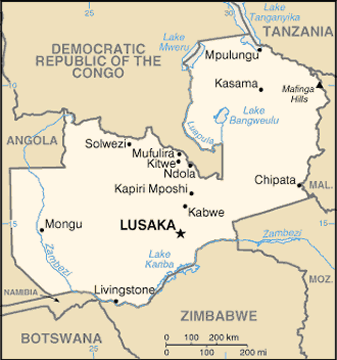
Map of Zambia description: Southern Africa, east of Angola
Friday, May 09, 2008
2nd Grade Boys

Hello 2nd Grade Boys!
1) Open up your word processor program
2) Type your NAME at the top of your document
3) copy this FUN Quiz using the right click technique
4) paste it into your document (under your name)
5) Answer the questions and PRINT out your finished QUIZ :-)
FUN Quiz:
- What is your favorite kind of ice cream?
- What is your favorite sport?
- What color is your bike?
- What is your favorite food?
- What is your favorite animal?
- When is your birthday?
- What do you want to be when you grow up?
- What is your favorite chore at home?
- What is your favorite activity or game in P.E.?
- What is your favorite book?
Friday, April 25, 2008
8th Grade Spreadsheet Assignment
Create and print out a spreadsheet using Open Office (not Google) with  the following data:
Every class member's:
(column A) name - include your own name in this data
(column B) phone number
(column C) birthday
(column D) email address
Use 10pt (size) Arial (font style)
Color: black
Bold your name
Sort A --> Z (be sure to highlight info in all cells or your names will not correspond with the correct data)
This classwork will be graded.
 the following data:
Every class member's:
(column A) name - include your own name in this data
(column B) phone number
(column C) birthday
(column D) email address
Use 10pt (size) Arial (font style)
Color: black
Bold your name
Sort A --> Z (be sure to highlight info in all cells or your names will not correspond with the correct data)
This classwork will be graded.
Monday, April 14, 2008
Ocean Information Hunt
1) Oceans cover more than _______ % of the earth's surface.
2) What is the largest living animal on our planet?
3) What are the 5 largest oceans?
4) Which is the largest ocean?
5) What was the H.M.S. Challenger?
6) What are hydrothermal vents?
7) Give 5 examples of sources of ocean pollution.
3) What are the 5 largest oceans?
4) Which is the largest ocean?
5) What was the H.M.S. Challenger?
6) What are hydrothermal vents?
7) Give 5 examples of sources of ocean pollution.
8) Where did the Exxon Valdez oil spill take place?
9) What year did the oil spill happen?
10) In what year did the BP Oil Spill occur? By what 4 other names is it known?
sources:
for elementary sctudents -- 2nd through 4th
http://www.calstatela.edu/faculty/eviau/edit557/oceans/linda/loceans.htm
Thursday, April 03, 2008
Why is the Sky Blue?
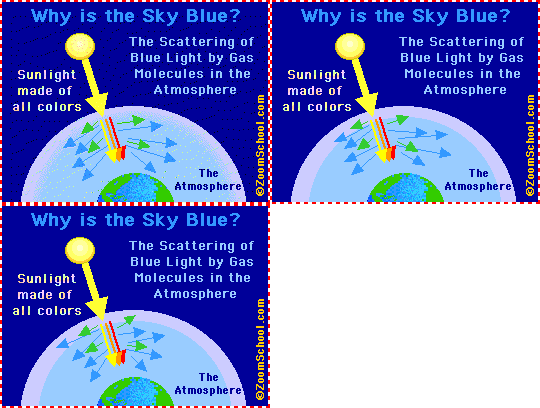 Sunlight is made up of all the colors of the rainbow: red, orange, yellow, green, blue, indigo and violet. The gas molecules in the atmosphere interact with the sunlight before the light reaches our eyes.
 The gas molecules in the atmosphere scatter the higher-energy (high frequency) blue portion of the sunlight more than they scatter the lower-energy red portion of the sunlight (this is called Rayleigh scattering, named for the physicist Lord John Rayleigh). The Sun appears reddish-yellow and the sky surrounding the Sun is colored by the scattered blue waves.
When the Sun is lower in the horizon (near sunrise or sunset), the sunlight must travel through a greater thickness of atmosphere than it does when it is overhead, and even more light is scattered (not just blue, but also green, yellow, and orange) before the light reaches your eyes. This makes the sun look much redder.
Caution: Never stare directly at the Sun.
Extra Credit Question for everyone: What do the letters of this acronym stand for?
Roy G. Biv
Questions for middle school students:
1) How many miles away from the earth is the sun?
2) How long does it take the sun's light to reach the earth?
3) The continuous fusion of WHAT? into WHAT? keeps the core of the Sun cooking at HOW MANY DEGREES? degrees Fahrenheit.
4) How long would it take traveling nonstop at 70mph to reach the sun?
Look here for answers to #s 1 through 4.
5) What bends more - violet light or red light? You can find the answer here. The author of this answer is Lou Bloomfield, Professor of Physics, University of Virginia.
6) Does light refract? Why or why not?
Refract: The turning or bending of any wave when it passes from one medium into another of different density. (source: Answers.com)
sources:
Enchanted Learning
Answers.com
windows.ucar.edu.com
Howthingswork.virginia.edu
Acronym Names

An Acronym is a word formed from the initial letters of words. For example: USA, AC, SAT (the test), BTW, BFFF
Now that you know what an acronym is . . . . Let's make a fun acronym using EACH letter of our name!
Type your name on a word document. Type each letter under the previous letter.
Example:
K
A
T
H
Y
Write a word for each letter that describes you.
Example:
K kind
A active
T thoughtful
H humorous
Y youthful
Find three synonyms for each word by using the thesaurus in your computer.
Example:
K kind, friendly, gentle, loving
A active, speedy, effective, bustling
T thoughtful, careful, observant, tactful
H humorous, entertaining, boffo, funny
Y youthful, young, fresh, new
Tuesday, March 11, 2008
Beijing Olympics
Let's wheeze our way to Beijing by way (historically) of France and Greece.
This is episode, No. 2343 from Engines of Our Ingenuity.
Media coverage of the Beijing Olympics seems more about athletes -- not records -- that will fall. Cars, construction and coal-burning factories cast a permanent and leaden shroud over this city of twelve million. Particulate matter, not athletic matters, is on everyone's mind because it will be in everyone's lungs. The American trainer has told his athletes to wear masks from the airport to the starting line.

As it turned out, ancient Greek -- specifically the ancient Greek Olympics -- would be Coubertin's and France's salvation.
The young aristocrat spent his youth fencing, boxing and riding horses. But Coubertin then visited England in 1883 and had a vision. He toured Rugby and Eton, on whose playing fields Waterloo had been won. What if France had had its own playing fields, Coubertin wondered? Would it have lost at Waterloo? Or been humiliated in its war with Germany in 1870? Couldn't organized sports remake France's martial spirit?
In fact, couldn't it also counter the ills of industrialization and urbanization that were transforming France and sickening its citizens? Coubertin decided to rejuvenate a pallid and puny France. His aim was to put "color in the cheeks of a solitary and confined youth, toughen his body and character by sport." Coubertin quickly discovered that the lack of green spaces was matched by the state's lack of interest. Many officials even believed physical competition was elitist.
But Coubertin persisted. The turning point was a meeting he organized in Paris in 1894, where representatives from thirteen countries agreed to revive the ancient Olympics. Coubertin was overjoyed: he believed the resurrected Olympics would make the world more peaceful. He also thought they would offer a healthy and pure ideal to a world swept by mass industrialization, mass entertainment, and mass consumption.
And so, the Olympics were reborn in 1896. But what about Coubertin's dreams? Some might say they were stillborn; WWI certainly buried his internationalist hopes. And the ills of modernization have not gone away. Look at China, overwhelmed by the same problems that plagued 19th century Europe, but at a vastly greater scale. In 2002, there were 25,000 premature deaths in Beijing alone due to particulate matter. In comparison, Coubertin's goal of putting color back in youthful cheeks seems positively quaint. Less quaint is the prospect of athletes running and jumping with asthma inhalers at hand.
Yet, the perseverance of these athletes reflects Coubertin's own doggedness on behalf of an ideal that, though battered, still inspires. Let the games begin!
E. Weber, My France: Politics, Culture and Myth. (Cambridge: Harvard University Press, 1991).
Jesse Owens, victor at Hitler's 1936 Olympics (internationalism ensnared). Both images courtesy of Wikipedia.

Friday, February 22, 2008
The Winners; Cinquain Poetry
My 5th graders wrote cinquain poems today. Here are two that stood out! These students followed directions, were thoughtful in their writing and worked diligently to finish in the alotted time frame.
Cassie's poem
Victor
feisty, playful
eating, playing, sleeping
- a special cat that's always there
friend
 Jordan's poem
Dragons
enormous, strong
flying, fire-breathing, eating
- a creature that never was
snake
Cassie's poem

Victor
feisty, playful
eating, playing, sleeping
- a special cat that's always there
friend
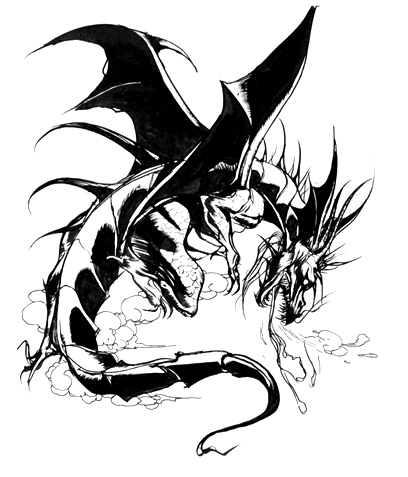 Jordan's poem
Dragons
enormous, strong
flying, fire-breathing, eating
- a creature that never was
snake
Cinquain Poem: pronounced "cin-kain"- a diamond-shaped poem with 5 lines
Directions for writing a cinquain poem can be found at: Spot Those Turns
Directions for writing a cinquain poem can be found at: Spot Those Turns
Cinquain Poem
First: Create a CINQUAIN POEM in a word doc. (pronounced "cin-kain"- a diamond-shaped poem with 5 lines)
Line 1: Write a noun.
Line 2: Write two adjectives describing the noun on Line 1;
Line 3: Write 3 words ending with -ing (action words) that describe what the noun on Line 1 might do;
Line 4: Write a phrase describing the noun on Line 1; and
Line 5: Write a synonym of the word on Line 1.
Example: "My Wonderful Mother"
Third: Ask the teacher check your poem and then you may print and take your poem home.
-----------------------------------------------------------------------------------------------
note: Objectives of this lesson are
From Apol and Harris's article ("Joyful Noises: Creating Poems for Voices and Ears." Language Arts 76.4 (March 1999): 314-322)
Line 1: Write a noun.
Line 2: Write two adjectives describing the noun on Line 1;
Line 3: Write 3 words ending with -ing (action words) that describe what the noun on Line 1 might do;
Line 4: Write a phrase describing the noun on Line 1; and
Line 5: Write a synonym of the word on Line 1.
Example: "My Wonderful Mother"
Mother
kind, helpful
caring, loving, sharing
- a special person in my life
friend
Second: copy and paste an appropriate image into your doc.kind, helpful
caring, loving, sharing
- a special person in my life
friend
Third: Ask the teacher check your poem and then you may print and take your poem home.
-----------------------------------------------------------------------------------------------
note: Objectives of this lesson are
- to teach the class how to write a cinquain poem (TSW create a *cinquain poem)
- to teach copying and pasting an image (TSW demonstrate how to copy and paste an image)
- and to enjoy creating a valentine for a loved one
-----------------------------------------------------------------------------------------------
Cassie's poem
Victor
feisty, playful
eating, playing, sleeping
- a special cat that's always there
friend
Jordan's poem
Dragons
enormous, strong
flying, fire-breathing, eating
- a creature that never was
snake
reference:The Winners - Cinquain Poetry
Cinquain Poem: pronounced "cin-kain"- a diamond-shaped poem with 5 lines
My 5th graders wrote cinquain poems today. Here are two that stood out! These students followed directions, were thoughtful in their writing and worked diligently to finish in the alotted time frame.Cassie's poem
Victor
feisty, playful
eating, playing, sleeping
- a special cat that's always there
friend
Jordan's poemDragons
enormous, strong
flying, fire-breathing, eating
- a creature that never was
snake
From Apol and Harris's article ("Joyful Noises: Creating Poems for Voices and Ears." Language Arts 76.4 (March 1999): 314-322)
- This exercise is a scaffolding experience that "leads students beyond a superficial encounter to a deeper understanding and appreciation of poetry".
- Through writing their own cinquain students can more easily move from simply reading poems to analyzing poems and, ultimately, composing their own poems that match the format.
- This lesson is one way to build interest in poetry is by using magnetic words to create original poems.
Tuesday, February 19, 2008
Giving Thanks
6th Grade .... Today's lesson helps us improve research and formatting skills.
Primary source
The Book of Romans in the New Testament (NAB)
Here is your assignment:
- Copy and paste the questions below into a document.
- Answer the questions and fill in the blanks using the 2 approved sources listed below (they are links)
- Read the primary source information in full - do not just "search for answers"
- You name and grade should be at the top.
- Use verdana, 14 pt and double space
- Use complete sentences to answer questions.
- When "filling in the blank" please underline your answer. Format your document so that there are no extra lines between words.
- The last question is an extra credit question. The answer cannot be found in the sources.
- Print out your completed assignment.
- What does eucharistic mean?
- What does doxological mean?
- Fr. Alexander Schmemann's says that, "Everyone capable of giving thanks is capable of ____________________."
- We are “eucharistic, doxological beings.” That means we are beings who are created to give ___________ (”eucharistic”) and __________ (”doxological”) to God.
- In Romans 1:21 St. Paul scolds us because the Romans (and we) fail to ______________.
- According to Romans 1:21; "because they failed to _________________ they became ____________ in their reasoning, and their senseless minds were ____________ ."
- What books of the Bible come before and after Romans?
- H/T means "hat tip". Authors use this abbreviation when crediting someone else for an idea or post. Who received a H/T in this post?
- When was this information posted at Catholic Notebook?
- Extra Credit: What is the greatest thanksgiving prayer?
The Book of Romans in the New Testament (NAB)
Friday, February 15, 2008
Apostle Quiz
1. "Apostle" means in Greek
a) envoy
b) messenger
c) both
2. Which apostle was named "rock" by Jesus?
a) James
b) Thomas
c) Peter
3. Which apostle was the brother of Peter
a) John
b) Andrew
c) Philip
4. Which apostles were the sons of Zebedee? (Also, sometimes called the sons of Thunder! Also, the same names as the sons of Mr Hebert!)
a) Matthew and Thomas
b) Simon and Jude
c) James and John
5. Philip came from
a) Jerusalem
b) Capernaum
c) Bethsaida
6. Many apostles were
a) bakers
b) fishermen
c) blacksmiths
7. What does "Gospel" mean?
a) "good news" from Greek
b) gossip
c) Jesus Christ'
8. The Gospel includes
a) five books
b) one book
c) four books
9. Which apostle is sometimes called Nathanael?
a) Simon
b) Bartholomew
c) Judas Iscariot'
10. Matthew was
a) a blacksmith from Jerusalem
b) a fishermen from Bethsaida
c) a tax collector from Capernaum
11. Which apostle doubted the resurrection of Jesus?
a) Philip
b) Thomas
c) both

12. How many apostles did Jesus nomiante?
a) 12
b) 7
c) 11
13. Jesus was betrayed by
a) Jude
b) Judas Iscariot
c) Mary Magdalene
14. Who was chosen to replace Judas Iscariot?
a) Jude
b) Matthias
c) Stephen
15. Was Paul one of the Twelve nominated by Jesus?
a) yes
b) no
c) it depends
16. Who are most prominent figures, after Jesus, in infant Christianity?
a) Apostle Peter, Paul of Tarsus
b) James, Judas Iscariot
c) Peter, Paul and Mary
Answer acronym:
Can children bring cold cucumbers back after class? 9Better cry before answering because bees buzz angily!
I can add this note now that my kids have all taken this quiz:
Not one of them asked what the sentence labeled "Answer acronym" meant.
No one noticed it contained the answer key! I was laughing on the inside because I remember a high school science teacher who was famous for "hiding" answer keys in plain sight. This reminds me of the quote,
This "Answer acronym" was included to help my readers (and me) check our answers. I typed in the number 9 to help me keep track of where I was as I graded the quizzes.
I found this quizz at a website page called: Bible Quizzes
If you use it, be aware of the fact that it is a Protestant site. Be sure to review the information before using it in lessons.
a) envoy
b) messenger

c) both
2. Which apostle was named "rock" by Jesus?
a) James
b) Thomas
c) Peter
3. Which apostle was the brother of Peter
a) John
b) Andrew
c) Philip
4. Which apostles were the sons of Zebedee? (Also, sometimes called the sons of Thunder! Also, the same names as the sons of Mr Hebert!)
a) Matthew and Thomas
b) Simon and Jude
c) James and John
5. Philip came from
a) Jerusalem
b) Capernaum
c) Bethsaida
6. Many apostles were
a) bakers
b) fishermen
c) blacksmiths

7. What does "Gospel" mean?
a) "good news" from Greek
b) gossip
c) Jesus Christ'
8. The Gospel includes
a) five books
b) one book
c) four books
9. Which apostle is sometimes called Nathanael?
a) Simon
b) Bartholomew
c) Judas Iscariot'
10. Matthew was
a) a blacksmith from Jerusalem
b) a fishermen from Bethsaida
c) a tax collector from Capernaum
11. Which apostle doubted the resurrection of Jesus?
a) Philip
b) Thomas
c) both

12. How many apostles did Jesus nomiante?
a) 12
b) 7
c) 11
13. Jesus was betrayed by
a) Jude
b) Judas Iscariot
c) Mary Magdalene
14. Who was chosen to replace Judas Iscariot?
a) Jude
b) Matthias
c) Stephen
15. Was Paul one of the Twelve nominated by Jesus?
a) yes
b) no
c) it depends
16. Who are most prominent figures, after Jesus, in infant Christianity?
a) Apostle Peter, Paul of Tarsus
b) James, Judas Iscariot
c) Peter, Paul and Mary
Answer acronym:
Can children bring cold cucumbers back after class? 9Better cry before answering because bees buzz angily!
I can add this note now that my kids have all taken this quiz:
Not one of them asked what the sentence labeled "Answer acronym" meant.
No one noticed it contained the answer key! I was laughing on the inside because I remember a high school science teacher who was famous for "hiding" answer keys in plain sight. This reminds me of the quote,
"About 5% of the people in the world can't pay attention.
Another 5% can pay attention and do.
The remaining 90% can pay attention but don't."
Another 5% can pay attention and do.
The remaining 90% can pay attention but don't."
This "Answer acronym" was included to help my readers (and me) check our answers. I typed in the number 9 to help me keep track of where I was as I graded the quizzes.
I found this quizz at a website page called: Bible Quizzes
If you use it, be aware of the fact that it is a Protestant site. Be sure to review the information before using it in lessons.
Monday, February 11, 2008
7th Grade Class Assignment
Assignment for middle school students
First: Read this quote by David Suzuki
“Our personal consumer choices have ecological, social, and spiritual consequences. It is time to re-examine some of our deeply held notions that underlie our lifestyles.”
~David Suzuki
(Canadian environmentalist, scientist and broadcaster)
Second: Answer the following questions in an open office document:
Document requirements: Vedana, 12 pts, spacing 1.5, black or dark blue.
Standard heading (name, grade, date, TKC) as required by school

- 7th - Find background information on David Suzuki via approved search links listed below. Describe David Suzuki and be sure to include answers to the following questions:
- What are some of David Suzuki's accomplishments?
- Where was he born and where does he live now?
- How old is he?
- What is his educational background?
- What are his passions? What are his concerns?
- Describe his "Nature Challenge"
- What are consumer choices? Give examples.
- What does this have to do with being Catholic? (hints: Catholics on the Environment)
Friday, February 01, 2008
Suzuki Quote - 6th, 7th, 8th grade classwork
Assignment for middle school students
Read David Suzuki's quote over at Catholic Notebook: Ecological, Spiritual and Social Consequences.
Answer the following questions in an open office document:
Document requirements: Vedana, 12 pts, spacing 1.5, black or dark blue.
Standard heading (name, grade, date, TKC) as required by school
- 6th - What are examples of "consumer choices"? Give 1 example of how our lifestyle choices affect us in each of Suzuki's categories.
- 7th - Find background information on David Suzuki via approved search links listed below. Describe David Suzuki and be sure to include answers to the following questions:
- What are some of David Suzuki's accomplishments?
- Where was he born and where does he live now?
- How old is he?
- What is his educational background?
- What are his passions? What are his concerns?
- Describe his "Nature Challenge"
- What are consumer choices? Give examples.
- What does this have to do with being Catholic? (hints: Catholics on the Environment)
- http://www.davidsuzuki.org/
- David Suzuki (Time Magazine & CNN)
- David Suzuki (cbc.ca)
- David Suzuki Tree Hugger
- Museum of Broadcast Communication
- 8th Grade
- Give examples of how our lifestyle choices affect us in each of Suzuki's categories.
- Find background information on David Suzuki via approved search links listed below. Describe David Suzuki and be sure to include answers to the following questions:
- What are some of David Suzuki's accomplishments?
- Where was he born and where does he live now?
- How old is he?
- What is his educational background?
- What are his passions? What are his concerns?
- Describe his "Nature Challenge"
- What are consumer choices? Give examples.
- http://www.davidsuzuki.org/
- David Suzuki (Time Magazine & CNN)
- David Suzuki (cbc.ca)
- David Suzuki Tree Hugger
- Museum of Broadcast Communication

2 part EXTRA CREDIT for 6th, 7th and 8th: Read the following quote
(1) describe how is David Suzuki's philosophy is different from Christianity.
"Native people refer to the Earth as our mother and tell us we are made of the four sacred elements: earth, air, fire and water. On reflection, I realized that they are absolutely right and that science corroborates their insights. We are created by the air, water, earth and sunlight." (from an interview with American Scientist Online)(2) Can people with different philosophies and religions work together towards a common cause? Why or why not?

Monday, January 28, 2008
Catholics on the Environment
One must take into account the nature of each being and of its mutual connection in an ordered system,which is precisely the ‘Cosmos’.
- On Social Concern (Solicitudo Rei Socialis) 1988, No. 34
__________________________________________________________________
The image of the creator must shine forth ever more clearly, not only in his creature man, but in all of his creation in nature.
- Pope Paul VI to the Council of the World Wildlife Fund, 1969
___________________________________________________________________
Pope John Paul II invited some 4,000 people gathered in the rain to praise God and see the imprint of His love in the beauty of creation. He called the beauty of creation the first book that God has entrusted to the mind and heart of man. The beauty of nature impels the soul to recall God’s goodness, (the Pope) told the crowd that gathered to pray the angelus with him.
- Pope links beauty of creation to God’s love,
Angelus Address given in the Italian Alps, 15 July 2001
___________________________________________________________________
Faced with the widespread destruction of the environment, people everywhere are coming to understand that we cannot continue to use the goods of the Earth as we have in the past.
The public in general as well as political leaders are concerned about this problem, and experts from a wide range of disciplines are studying its causes. Moreover, a new ecological awareness is beginning to emerge which, rather than being downplayed, ought to be encouraged to develop into concrete programs and initiatives
Introduction to the Message of His Holiness Pope John Paul II for the celebration
of the World Day of Peace, 1 January 1990
___________________________________________________________________
The ecological crisis is a moral issue... Respect for life and for the dignity of the human person extends also to the rest of creation... we cannot interfere in one area of the ecosystem without paying due attention both to the consequences of such interference in other areas and to the well-being of future generations.
- Pope John Paul II, 1990
___________________________________________________________________
God made man the steward of creation
1. In the hymn of praise proclaimed . . . (Ps 148:1-5), the Psalmist summons all creatures, calling them by name. Angels, sun, moon, stars and heavens appear on high; twenty-two things move upon the Earth, as many as the letters of the Hebrew alphabet, in order to give an impression of fullness and totality.The believer, in a sense, is “the shepherd of being”, that is, the one who leads all beings to God, inviting them to sing an “alleluia” of praise. The Psalm brings us into a sort of cosmic church whose apse is the heavens and whose aisles are the regions of the world, in which the choir of God's creatures sings his praise.
GENERAL AUDIENCE
Pope John Paul II, Wednesday 17 January 2001
___________________________________________________________________
In this rediscovered harmony with nature and with one another, men and women are once again walking in the garden of creation, seeking to make the goods of the Earth available to all and not just to a privileged few, as the biblical jubilee suggests (cf. Lv 25:8-13, 23).
Among those marvels we find the Creator’s voice, transmitted by heaven and Earth, by night and day: a language “with no speech nor words; whose voice is not heard” and which can cross all boundaries (cf. Ps 19[18]:2-5).
___________________________________________________________________
The Book of Wisdom, echoed by Paul, celebrates God’s presence in the world, recalling that “from the greatness and beauty of created things comes a corresponding perception of their Creator” (Wis 13:5; cf. Rom 1:20). This is also praised in the Jewish tradition of the Hasidim: “Where I wander – You! Where I ponder – You!... In every trend, at every end, only You, You again, always You!” (M Buber, Tales of the Hasidim [Italian ed., Milan 1979, p 256]).
Pope John Paul II, 2001
Monday, January 21, 2008
Snowflakes

Let's make Some Paper Snowflakes!
But first, read about the Snowflake Man, Wilson Bentley. From the earliest memories of our childhood, many of us can remember hearing the phrase "no two snowflakes are alike". This discovery was made in the small rural town of Jericho, Vermont by Wilson A. Bentley (1865-1931).

His snowflake images are gorgeous!
In The Big Book of Catholic Customs and Traditions for Children's Faith Formation
(a liturgical craft books for young children) I read that snowflakes were once called "St. Agnes flowers."
Today, January 21, is St Agnes' Feast Day!
Subscribe to:
Posts (Atom)